Fan coil assessment
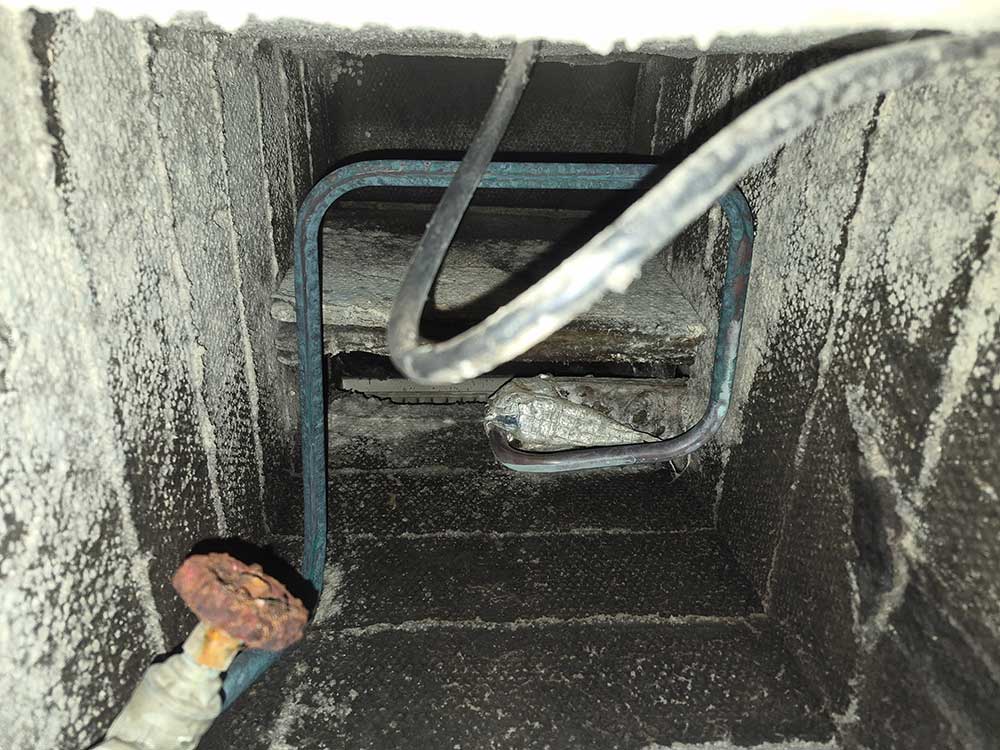
As an in-suite HVAC system, fan coils are among the only pieces of equipment in residential buildings in constant operation. Like a furnace in a single-family home, it has an expected lifespan after which it poses a higher risk of failure. Given the life expectancy of fan coil units is 20 years, units at or over this mark should be inspected by an original equipment manufacturer to assess the condition.
Why it's time to have your fan coils assessed
RISKS OF LEAVING
Aging fan coils unchecked
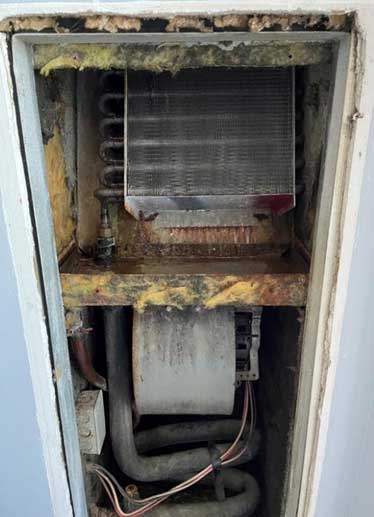
As a building’s fan coil units age and deteriorate, the risks for flooding, mould, and diminished indoor air quality increases exponentially. As previously outlined in editorials and other content from our team, and a research study by the University of Toronto, below are three major areas of risk with aging fan coils.
INCREASED RISK
Of leaks and floods
The Canadian Institute of Actuaries, Chubb Homeowners Study, and the Privilege Underwriters Reciprocal Exchange all identify in-suite HVAC systems as a leading area of concern for water damage. Here are some of the ways leaks and floods can occur:
- The flat drain pans found in older fan coil units allow for water pooling and corrosion over time, creating holes for condensation water to leak through.
- Deteriorating insulation within the fan coil cabinet can lead to debris falling into and potentially clogging the drain pan, drain hose, and condensate lines.
- When turned off for extended periods of time during the winter, the pipes and coils can freeze and burst, leading to significant water damage.
- As risers expand and shrink throughout the year, considerable strain is placed on the valves which can lead to leaks and cracks over time.

DIMINISHED
Indoor air quality and air flow:
With Canadians on average spending approximately 90% of their time indoors, healthy indoor air quality is one of the single most important factors in considering a fan coil retrofit.
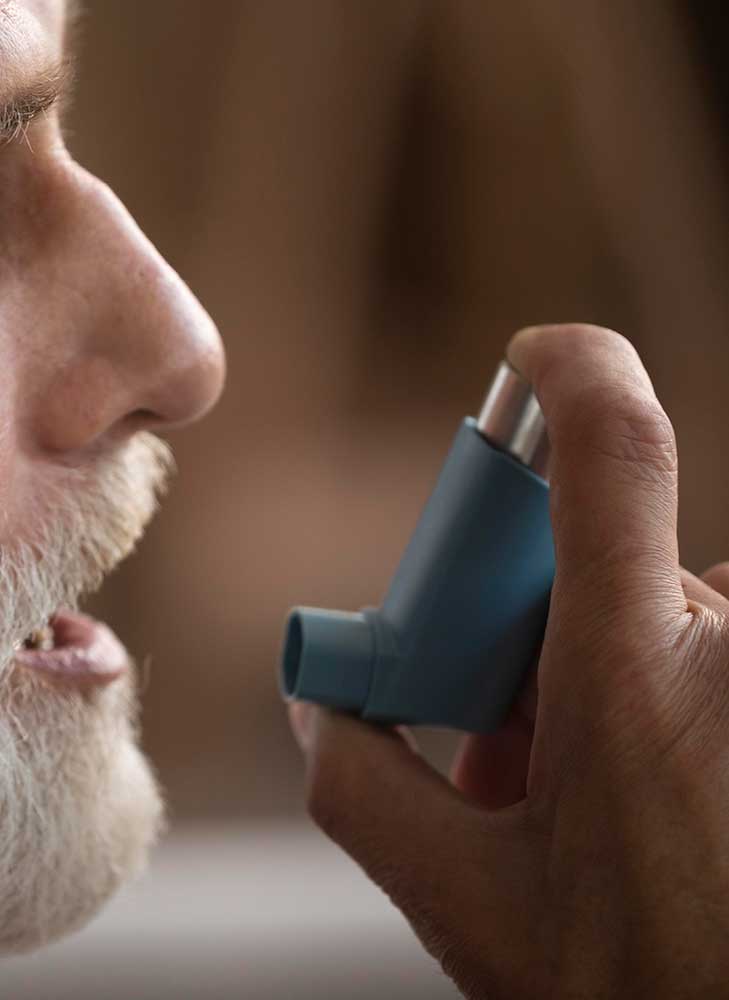
As the fibreglass insulation within aging fan coil units deteriorates, there is a risk of the fibreglass detaching and blowing into the suite due to air agitation. Studies have found that inhaling fibreglass insulation can aggravate asthma, cause bronchitis-like symptoms, and cause irritation in the throat and nasal passage.
The volume of air emitted also diminishes over time due to a buildup of debris on the underside of the coil. Our tests have found an average of 25% less airflow in units older than 20 years.
INCREASED
Risk of mould
In addition to poor air quality, fan coils are also susceptible to mould as age, humidity, lack of maintenance, and fibreglass deterioration are common issues resulting in mould growth. The cabinets that house fan coils are dark, warm, moist from condensation or leaks, and relatively unbothered, and if not maintained properly can create the perfect environment for mould to easily grow within the tightly woven insulation fibres. This mould can multiply quickly, and potentially enter the ventilation system when agitated by airflow, especially if insulation is showing signs of deterioration. Repeated exposure to mould found in aging fan coils can potentially cause serious health concerns in residents and employees. Symptoms of repeated exposure can include chronic cough, headaches, congestion, sinus infections, and irritated eyes. If chronically exposed, these issues could lead to more serious health implications such as asthma.